What It Means to Be a Third Culture Kid in Therapy
By Pamela Chin, RCC

I am a third culture kid. I'm also a therapist who works with third culture kids. So this post is a little personal.
If you've never heard the term, here's what it means. A third culture kid is someone raised in a culture different from their parents' culture of origin. Over time, kids in this position often don't fully belong to either side. We end up making something new out of the pieces. A third culture, partly inherited, partly built.
For some of us, that third culture is rich and grounding. For others, especially when we're younger, it can feel like belonging nowhere.
This experience is far more common than people realize, and yet it rarely gets named in therapy. So I want to talk about what TCKs often bring into the room, what gets missed when a therapist doesn't quite get it, and what cultural attunement actually looks like when it works.
Understanding the Unique Identity Struggles of TCKs
TCKs often arrive in therapy with the same presenting concerns as anyone else. Anxiety. Relationship difficulty. A sense that something underneath isn't right. Sometimes a specific trauma. Sometimes a slow burn of not feeling like ourselves.
But underneath, there is often a layer that is specifically about identity. It can sound like this:
- "I don't really feel Asian, but I don't really feel Canadian either."
- "I know what my parents expect of me, but I don't know what I expect of myself."
- "I can speak the language, but I don't know the culture the way my cousins do. I can blend in here, but only some of the time."
- "I feel guilty when I disappoint my family. I feel guilty when I disappoint myself. There doesn't seem to be a version where someone isn't disappointed."
These aren't surface concerns. They sit close to the core of who you are. And when a therapist treats them as background, or misses them entirely, the work stays on the surface too.
What often goes missing
A well-meaning therapist who hasn't lived this experience can sometimes fall into a few traps.
They can over-individualize. Western therapy often centres the self as the primary unit. "What do you want? What are your needs?" These are good questions, but for many TCKs, the self has always been embedded in something larger. Family. Lineage. Obligation. Faith. Asking you to peel away from those without acknowledging what they actually mean is asking you to abandon something real.
They can over-explain culture. Sometimes a therapist will treat your cultural background like a museum exhibit. Curious, respectful, and slightly distancing. You don't need someone to be impressed by where you come from. You need someone who can hold it as ordinary and important at the same time.
They can miss the bicultural specifics. TCK experience isn't just about your family's culture. It's about the daily, often invisible work of moving between cultures. Code-switching. Translating yourself for different rooms. Carrying expectations that don't always agree with each other.
When these things go unnamed, the work tends to get stuck. You may leave sessions feeling helped in some areas and oddly unmet in others. The unmet part is often this layer.
What cultural attunement looks like in practice
Cultural attunement isn't a script. It isn't a therapist who matches your background exactly, although shared experience can help. It's a posture. A willingness to take seriously the ways culture lives inside you, without making assumptions about what that means.
In my own work, that often looks like:
Treating family loyalty as a real value, not a barrier to overcome. The goal isn't to peel you away from your family. It's to help you live in honest relationship with them, including with the parts you find hard.
Holding the both/and. You can love your culture and still feel constrained by it. You can grieve what your family carried, and also feel angry about what got passed down. You can want your parents' approval and also be clear that you'll live your own life. These are not contradictions. They are the texture of being a TCK.
"You can love your culture and still feel constrained by it. These are not contradictions. They are the texture of being a TCK."
Naming the in-between. Sometimes the work is helping you find words for an experience you've never quite been able to put into language. Just naming it can be enormous.
Respecting silences. Some of what's most important in TCK experience is hard to say in English. Or in any language. Sometimes the work is sitting with what we don't quite have words for yet.
A note on intergenerational threads
A lot of what TCKs carry isn't just their own. We carry our parents' migration, their adaptation, their losses, and sometimes their unprocessed difficulties. This is what intergenerational trauma looks like in many TCK families. Not always dramatic. Often quiet. Often loving. But present.
Some of the most moving moments in therapy come when a client can finally see a pattern that started long before they did. The recognition often brings grief, but it also brings choice. You can love what you inherited and still decide what you'll pass on.
If you're considering therapy
If you've been a TCK in rooms where you weren't quite met, I want you to know there are rooms where you can be.
You don't have to translate yourself. You don't have to perform your culture or apologize for it. You don't have to choose between honouring your family and becoming yourself.
You can do both. Many of us do.
If you'd like to explore therapy with someone who knows this territory from the inside, you're welcome to book a free 15-minute consultation.
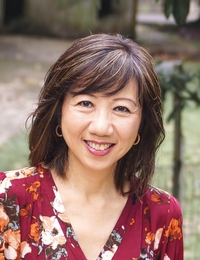
About Pamela Chin, RCC
Pamela is a Registered Clinical Counsellor based in Kitsilano, Vancouver. She specializes in trauma, attachment, and culturally attuned care, helping individuals and couples find their way through difficult patterns to live more fully.
Read more about Pamela →